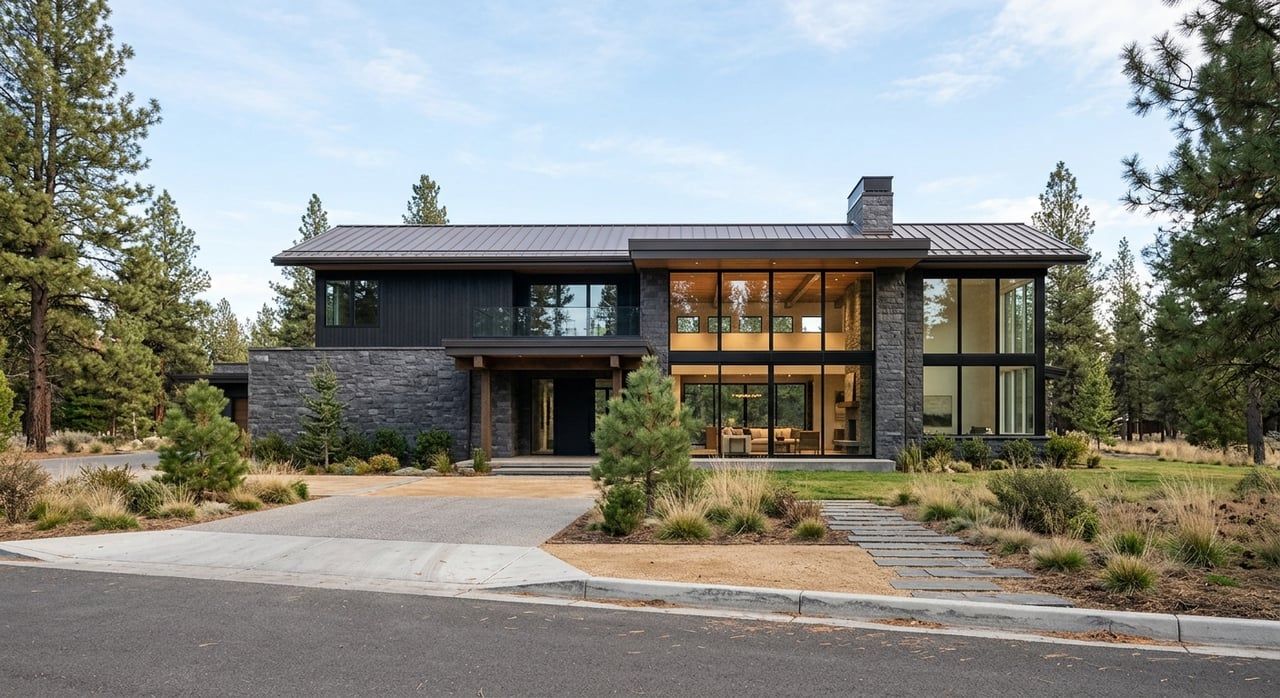
If you are drawn to mountain living but want more breathing room than a condo or townhome typically offers, Hideout Canyon may already be on your radar. For many buyers, the appeal comes down to a simple question: do you value privacy, views, and space enough to take on a more land-oriented ownership experience? This guide will help you weigh the benefits, tradeoffs, and lifestyle fit of low-density living in Hideout Canyon so you can decide with more clarity. Let’s dive in.
What Low-Density Living Means in Hideout Canyon
Low-density living in Hideout Canyon is not just about having a bigger lot. In Hideout, it is shaped by local land-use rules that require at least 20% open space in developments and encourage that open space to be contiguous and usable for trails or small parks. The town’s code also directs lot layouts to follow natural contours in ways that help preserve views and privacy.
That planning approach creates a different feel from more compact mountain neighborhoods. Hideout’s development framework uses a base density of 1.5 ERUs per acre in its resort-planned area, while still allowing a mix of single-family lots and attached housing in planned developments. In other words, the broader market includes several housing types, but low-density living here is designed around separation, open land, and a stronger connection to the site.
For you as a buyer, that often means a setting that feels more spacious and more intentional. Instead of every home competing for the same sightline, the land plan is meant to support view corridors, privacy, and a quieter overall rhythm.
Why Buyers Choose Hideout Canyon
Privacy and Views
One of the biggest reasons buyers lean toward low-density living is the sense of retreat it can create. Hideout’s lot-design rules specifically say lots should maintain views, afford privacy, and reduce exposure to wind, noise, and vehicular traffic. That matters if you are looking for a home that feels tucked away rather than tightly packed.
This can be especially appealing in a mountain setting where the landscape is part of the lifestyle. When your homesite has more room and the layout is shaped around contours and orientation, your experience of the property can feel calmer and more protected over time.
Recreation Close to Home
Hideout Canyon also appeals to buyers who want easy access to outdoor recreation without giving up a more refined residential setting. Jordanelle State Park offers boating, fishing, hiking, camping, and picnicking on the shores of Jordanelle Reservoir in Wasatch County. It is also only a few miles from Park City, which reinforces the area’s appeal for both summer and winter living.
In winter, the region’s ski identity remains a strong draw. Deer Valley is a ski-only resort, and that adds to the area’s four-season mountain appeal for many second-home and full-time buyers.
More Design Control
If you are considering a custom home, low-density living can offer a major advantage. Larger lots and site-sensitive layout standards usually give you more room to think carefully about how your home sits on the land. That can shape everything from natural light and outdoor living areas to privacy and long-range views.
For buyers who want a more tailored result, this flexibility often becomes one of the strongest reasons to choose a homesite over an attached product. You are not just buying square footage. You are buying the opportunity to align architecture with the land.
The Tradeoffs You Should Consider
Ownership Can Be More Hands-On
More space usually comes with more responsibility. Hideout’s code says HOAs maintain common areas and facilities, while only roads accepted and dedicated as public roads are maintained and snow removed by the town. That means it is important to confirm what is public, private, or HOA-maintained before you compare one property with another.
This is a key difference from a simpler lock-and-leave condo lifestyle. If you want the easiest possible ownership model, low-density living may feel less convenient. If you are comfortable asking the right questions and planning ahead, the tradeoff may feel well worth it.
Wildfire Mitigation Matters
In Hideout, wildfire planning is part of the ownership picture. The town says more than 80% of Hideout is currently high-risk for wildfires on WUI maps, and it has adopted defensible-space rules that limit combustible plants and groundcover near structures. Landscaping and exterior choices are not just style decisions here. They are part of responsible long-term property care.
For you, this means understanding the property goes beyond the home itself. A well-chosen mountain property should be evaluated with maintenance, vegetation, and defensible space in mind from the beginning.
Building Can Be More Complex
Low-density mountain homesites can offer more freedom, but they can also require more planning. Hideout’s subdivision rules say lot arrangement should avoid foreseeable difficulties in securing building permits and reasonable driveway access. That is a reminder that slope, drainage, access, and site orientation can all affect the building process.
If you are comparing a custom homesite with a finished townhome or condo, this is one of the clearest differences. A homesite gives you more control, but it also asks you to think more carefully about the land and the path to construction.
Who Low-Density Living Usually Fits Best
Low-density living in Hideout Canyon tends to work best if you value privacy, open views, outdoor space, and a quieter community feel. It is often a strong fit for buyers who want custom-home potential and who are comfortable with HOA processes and mountain-specific maintenance. If the setting itself is a big part of why you are buying, this style of ownership can feel rewarding.
It may be a weaker fit if you want the simplest ownership structure possible. Buyers who prefer a compact, walkable, highly convenient neighborhood experience may find that attached housing better matches their lifestyle. Hideout’s own development mix includes both attached and single-family options, which highlights the basic decision: more land and separation, or more convenience and density.
Questions to Ask Yourself Before You Buy
Before choosing low-density living in Hideout Canyon, it helps to get honest about how you want to use the property. A beautiful homesite can be the right fit for one buyer and the wrong fit for another.
Ask yourself:
- Do you want more privacy and space than a condo or townhome can usually offer?
- Do long-range views and lot orientation matter to you?
- Are you comfortable with more property-specific planning and maintenance?
- Would you rather shape a custom home experience than choose a more turnkey option?
- Are you willing to review HOA responsibilities, road maintenance, and site conditions carefully?
If you answered yes to most of these, low-density living may be a strong match. If you hesitated, that does not mean it is the wrong choice, but it does mean you should compare it carefully against attached or turnkey alternatives.
How to Evaluate a Hideout Canyon Opportunity
When you tour properties or homesites in Hideout Canyon, focus on more than the headline view. The right property should make sense both emotionally and practically.
Pay close attention to:
- The orientation of the lot and how it captures views
- Privacy from nearby homes and roads
- Access, slope, and driveway considerations
- HOA scope and what is maintained privately versus publicly
- Outdoor areas and how they may need to align with wildfire mitigation standards
These details can have a big effect on how the property lives over time. In a low-density setting, the land is not just background. It is part of the ownership experience.
A More Intentional Way to Live
For the right buyer, low-density living in Hideout Canyon offers something hard to replicate in a denser setting: room to breathe, room to look outward, and room to create a home that responds to the landscape. The appeal is not just luxury or scale. It is the combination of open space, privacy, recreation access, and a more intentional relationship with the land.
That said, it is not automatically the right fit for everyone. The best choice depends on how you balance convenience against privacy, simplicity against design freedom, and turnkey ownership against long-term site stewardship.
If you are exploring whether this lifestyle fits your goals, a guided tour can help you compare homesites, custom-home options, and the ownership experience with more confidence. To schedule a personal tour, connect with Carlos Bocanegra.
FAQs
What does low-density living in Hideout Canyon actually mean?
- In Hideout Canyon, low-density living refers to a land-use pattern shaped by open-space requirements, site-sensitive lot layouts, and a more spacious community design rather than simply large lot size alone.
Is low-density living in Hideout Canyon better than a condo or townhome?
- It depends on your priorities. If you value privacy, views, and custom-home potential, it may be a better fit. If you want the simplest lock-and-leave ownership model, an attached home may suit you better.
What should buyers know about maintenance in Hideout Canyon?
- Buyers should confirm which roads, common areas, and facilities are maintained by the town, the HOA, or private ownership, since low-density communities can involve more shared and site-specific responsibilities.
Are wildfire rules important for Hideout Canyon properties?
- Yes. The Town of Hideout says much of the area is considered high-risk for wildfire, and defensible-space rules affect landscaping and exterior property management near structures.
Who is the best fit for low-density living in Hideout Canyon?
- This lifestyle often fits buyers who prioritize space, views, privacy, outdoor living, and a more tailored home experience, and who are comfortable with the planning and upkeep that can come with mountain properties.