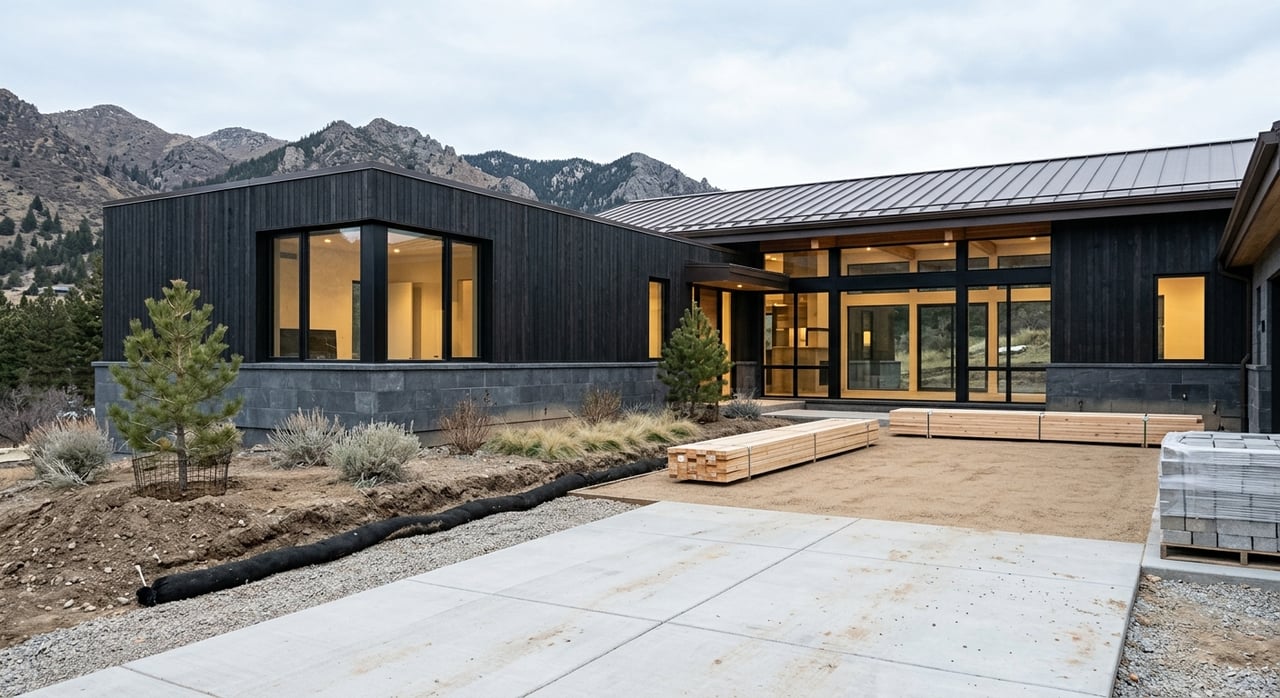
Are you dreaming about a custom mountain home near Park City, but wondering how the process actually comes together? That is a common question, especially when you are balancing views, design goals, timelines, and approvals on a hillside homesite. The good news is that a guided custom-build process can make each step more manageable and more predictable. Let’s walk through how it typically works near Park City, especially in the Golden Eagle and Hideout area.
Why custom building here is different
Near Park City, a custom build often starts with the land itself. In Golden Eagle, the community includes 314 estate lots across 550 acres, with homesites of half an acre and up on the east side of Jordanelle Reservoir. That means you are not just choosing a house plan. You are choosing how your home will sit within a view-driven mountain setting.
In Hideout, local zoning goals include preserving scenic values, protecting property values, and reducing hazards tied to fire, flood, and landslide conditions. Because of that, early decisions often focus on site orientation, drainage, retaining walls, and exterior materials. In other words, your lot and your home design are closely connected from day one.
Start with the right homesite
The first step is usually finding a lot that fits both your lifestyle and your build goals. A beautiful view matters, but so do slope, driveway access, and how much design flexibility the site allows. On mountain lots, those practical details can shape everything from the floor plan to the budget.
Hideout’s site and landscape submittal standards require detailed plans with existing and proposed contour lines. They also call for consideration of existing landscape, vegetation, and topography when placing structures and planning outdoor areas. That is why lot selection is more than a quick visual decision. It is the foundation for the entire project.
What to evaluate at the lot stage
When comparing homesites, you will usually want to look at:
- View corridors
- Slope and grading needs
- Access and driveway approach
- Outdoor living potential
- Privacy and orientation
- Room for terraces, retaining walls, and landscaping
For hillside lots, geotechnical issues can also come into play early. Hideout’s permit process notes that geotechnical reports may be required before footing inspections. Retaining walls over 4 feet also require a structural engineer’s stamp, so it helps to spot these needs well before final plans are submitted.
Match the lot with the right builder
Once you have identified the right homesite, the next step is building the right team. In Golden Eagle, Park City Mountain Builders is presented as the preferred custom home builder. That preferred-builder approach can help simplify the path from lot purchase to completed home.
This stage is about more than selecting a builder based on style alone. You also want a team that understands mountain-modern design, hillside construction, and the local review process. A well-matched builder can help you make smarter choices early, when changes are easier and less costly.
Why the builder relationship starts early
The Town of Hideout requires a signed authority letter from the owner that names the builder and authorizes that builder to act on construction activities. That tells you something important about the local process. Your owner-builder relationship is not a late detail. It is part of how the project moves forward.
In a guided experience, this is also where coordination becomes valuable. Instead of trying to assemble every contact on your own, you benefit from introductions, planning support, and a smoother handoff between the sales side and the construction side.
Design with the site in mind
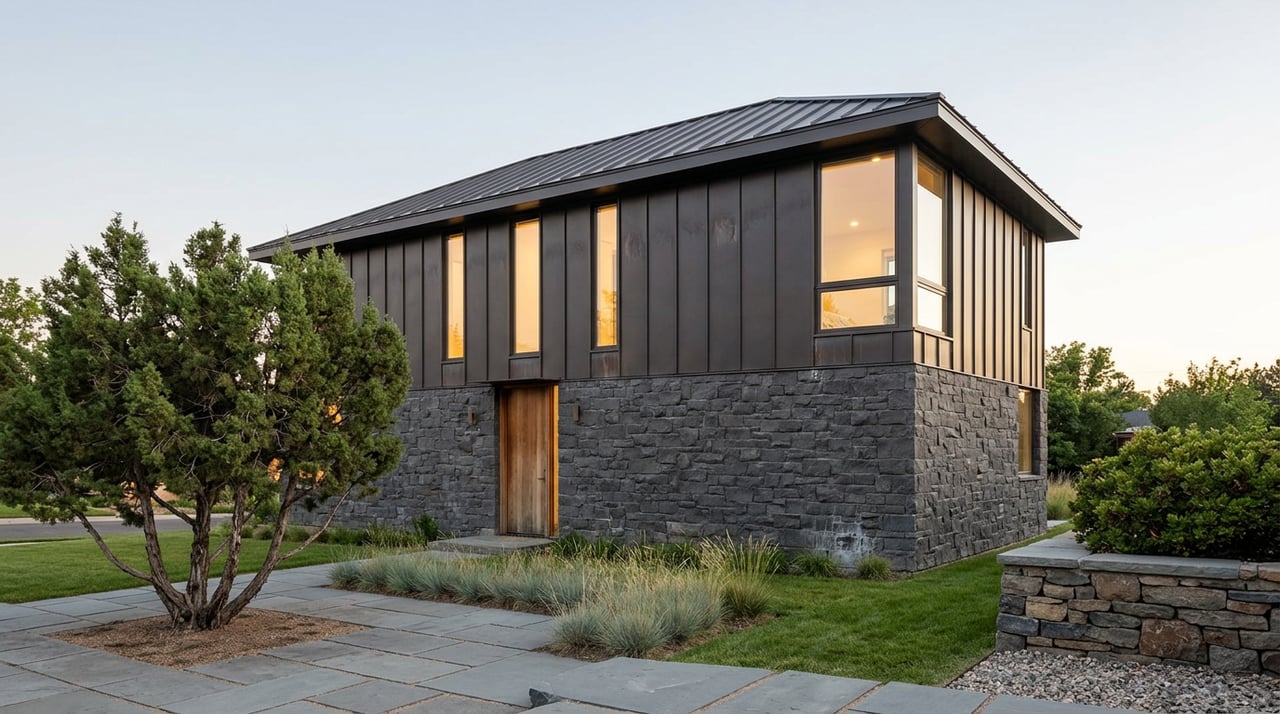
A custom home near Park City should respond to the land, not fight it. In the Hideout area, that means the design process often centers on topography, views, fire safety, and how the structure works with the lot’s natural conditions. The finished result should feel intentional from the street, the outdoor spaces, and the interior.
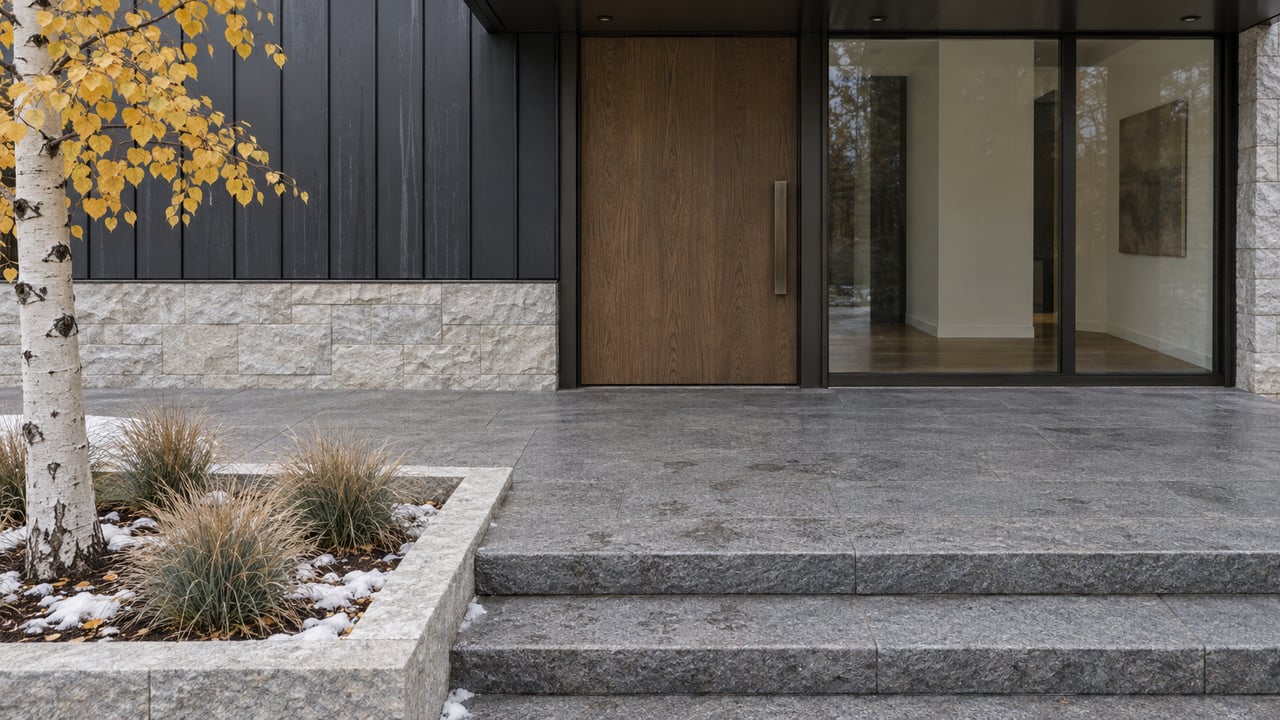
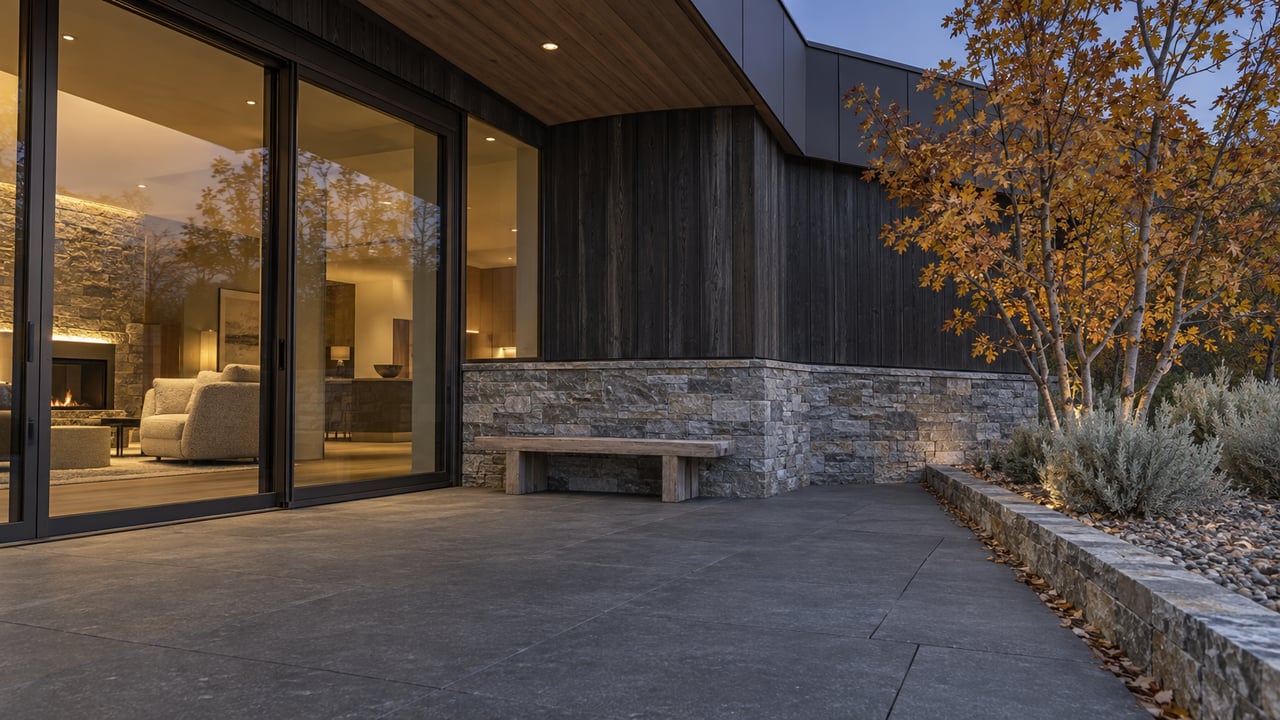
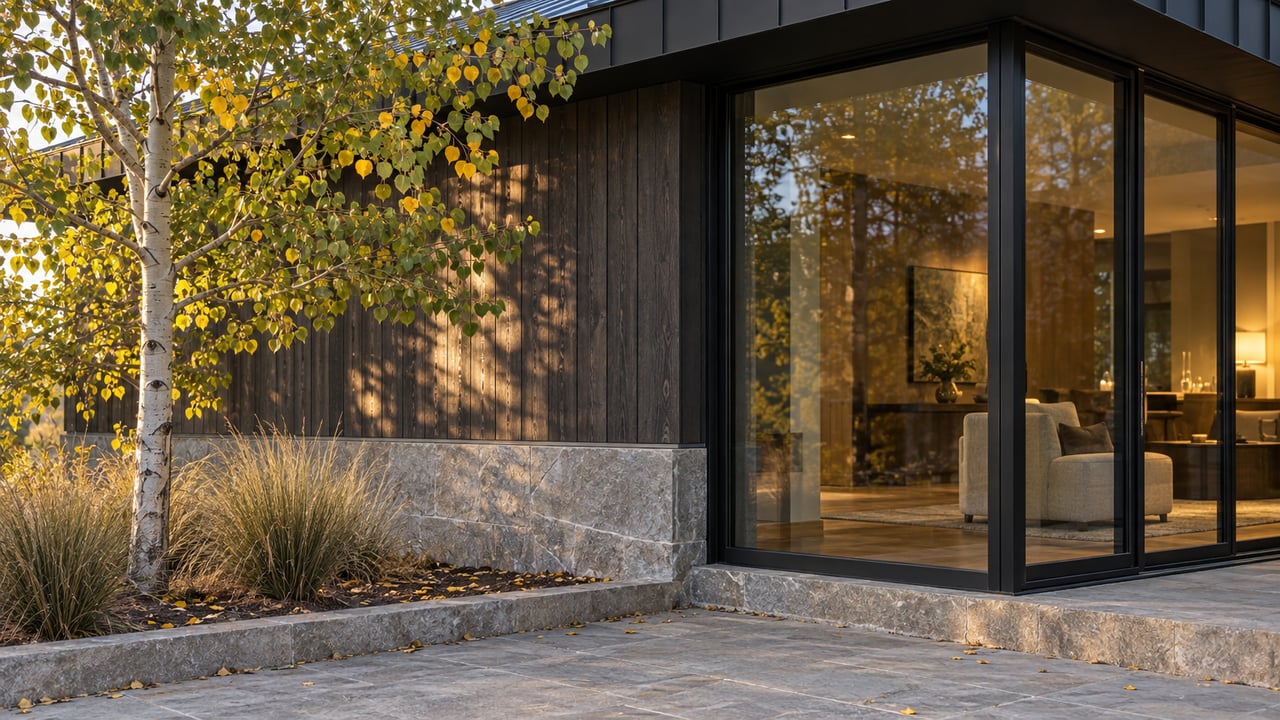
This is especially true for mountain-modern homes. Clean lines, expansive glazing, and strong indoor-outdoor connections can work beautifully here, but they still need to align with local site requirements. The most successful homes are usually the ones that pair architecture, engineering, and landscape planning from the beginning.
Fire safety and landscaping matter early
Hideout states that more than 80% of the town is at high wildfire risk. A 2025 ordinance strengthened defensible-space rules around structures, including limits on combustible plants, trees, and groundcover near walls, eaves, and decks. That means planting plans and material selections should be part of the design conversation from the start.
Hideout’s landscape standards also encourage native vegetation, limit rock and gravel as primary groundcover, and set rules for terraced retaining walls. Landscaping is not treated as a finishing touch. It is part of the review and approval process.
Navigate HOA and town approvals
One of the biggest advantages of a guided process is knowing who approves what and when. In Golden Eagle, submitted drawings must first be approved by the Master HOA Design Review Committee before they are uploaded to the town. That is an important first layer of review.
After that, the Town of Hideout handles building permit review through its online City Inspect system. The permit checklist requires several separate attachments, which can include the Fire District permit, proof of water and sewer impact fee payment to JSSD, the Construction Acknowledgement Agreement, and the owner’s authority letter. This is where organization matters.
Why complete submissions save time
Hideout’s permit guide says plan review takes about 14 working days after a complete submission. That timeline does not include contractor responses to comments or any needed revisions. For a mountain-site home, complete drawings, survey exhibits, and engineering documents can make a meaningful difference in keeping the process moving.
A guided custom-build experience helps you avoid the common issue of treating approvals as one single step. In reality, they are a sequence. HOA review, town permit review, fire-related items, and utility-related paperwork all need to be handled in the right order.
Move from permitting to construction
Once the permit is issued, construction can begin, but even that starts with a specific sequence. In Hideout, the first inspection is a LOD Fence or preconstruction meeting before excavation begins. This creates a formal starting point before major site work gets underway.
As the build progresses, the town schedules inspections for items such as water and sewer laterals, the 4-way rough stage, water meter set, and final inspections. Each of these checkpoints helps confirm that the home is advancing in line with approved plans and local requirements.
What happens before move-in
The Final Certificate of Occupancy cannot be scheduled until required inspections pass and the owner account is current. That means move-in is tied to more than construction progress alone. Final administrative and inspection items need to be complete as well.
Landscaping also remains part of the timeline after the home is built. Hideout requires landscaping to be completed within 90 days of Final C/O issuance. The Fire District must also sign off on certain final items before the permit can fully close out.
What a guided process really simplifies
A guided custom-build process is not about removing every decision. It is about making each decision easier to understand and better timed. When you are building near Park City, especially on a view-focused site in Golden Eagle or Hideout, the process usually involves multiple moving parts that benefit from coordination.
That includes:
- Comparing homesites based on both views and buildability
- Connecting with a preferred or well-matched builder
- Planning for slope, drainage, and retaining walls early
- Sequencing HOA review and town permit submission correctly
- Tracking Fire District and utility-related requirements
- Staying ahead of inspection and closeout milestones
For many buyers, that support creates peace of mind. It also helps protect the original vision for the home, because the lot, the design, and the approval path are being considered together instead of separately.
Why this matters in Golden Eagle
Golden Eagle is positioned as a low-density luxury community with large homesites, sweeping lake-and-mountain vistas, and a curated path toward custom mountain-modern living. In a setting like this, the build process should feel thoughtful, not overwhelming. The right guidance helps you focus on what drew you here in the first place: the land, the views, and the opportunity to create a home that feels truly your own.
If you are exploring a custom build near Park City, having local insight can make the journey much clearer from the first tour to the final walkthrough. To schedule a personal tour and learn more about homesites and custom home opportunities, connect with Carlos Bocanegra.
FAQs
How does a custom-build process work near Park City?
- It usually starts with lot selection, followed by builder coordination, site-sensitive design, HOA review, town permitting, inspections, and final closeout.
What approvals are needed for a custom home in Golden Eagle?
- In Golden Eagle, plans must be approved by the Master HOA Design Review Committee first, then submitted to the Town of Hideout with required permit documents, including fire-related and utility-related items.
How long does permit review take in Hideout, Utah?
- Hideout says plan review takes about 14 working days after a complete submission, not including contractor revisions or responses to comments.
Why is lot selection so important for a Park City-area custom build?
- Lot selection affects views, slope, driveway access, drainage, design flexibility, retaining wall needs, and how the home fits the land.
When is landscaping required for a new home in Hideout?
- Hideout requires landscaping to be completed within 90 days of Final Certificate of Occupancy issuance.
Why does fire safety affect custom home design in Hideout?
- Hideout reports that much of the town is at high wildfire risk, and local rules include defensible-space standards that influence exterior materials, planting plans, and hardscape decisions.