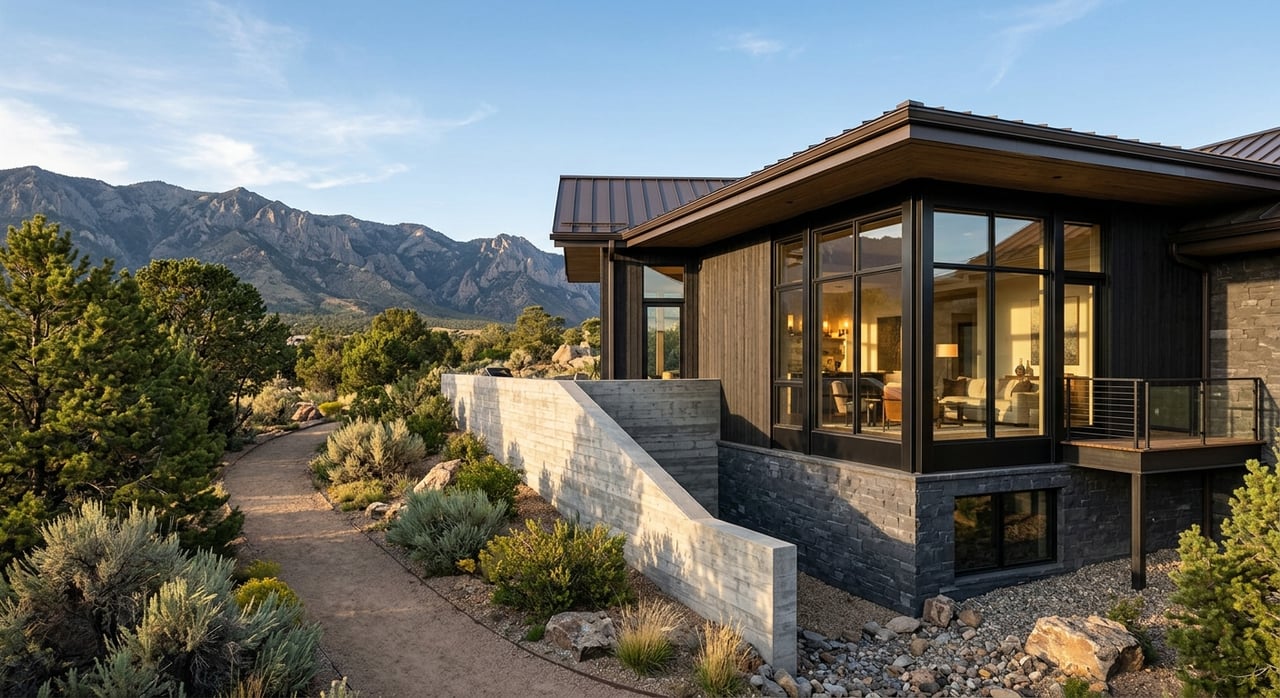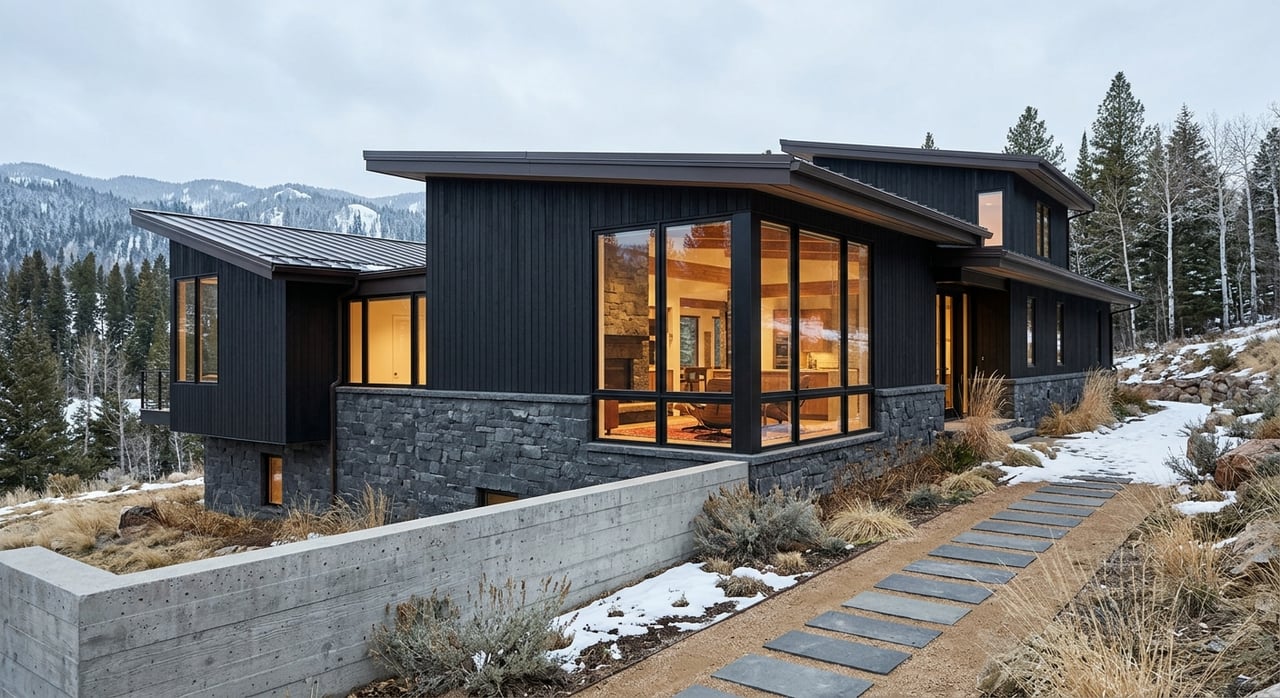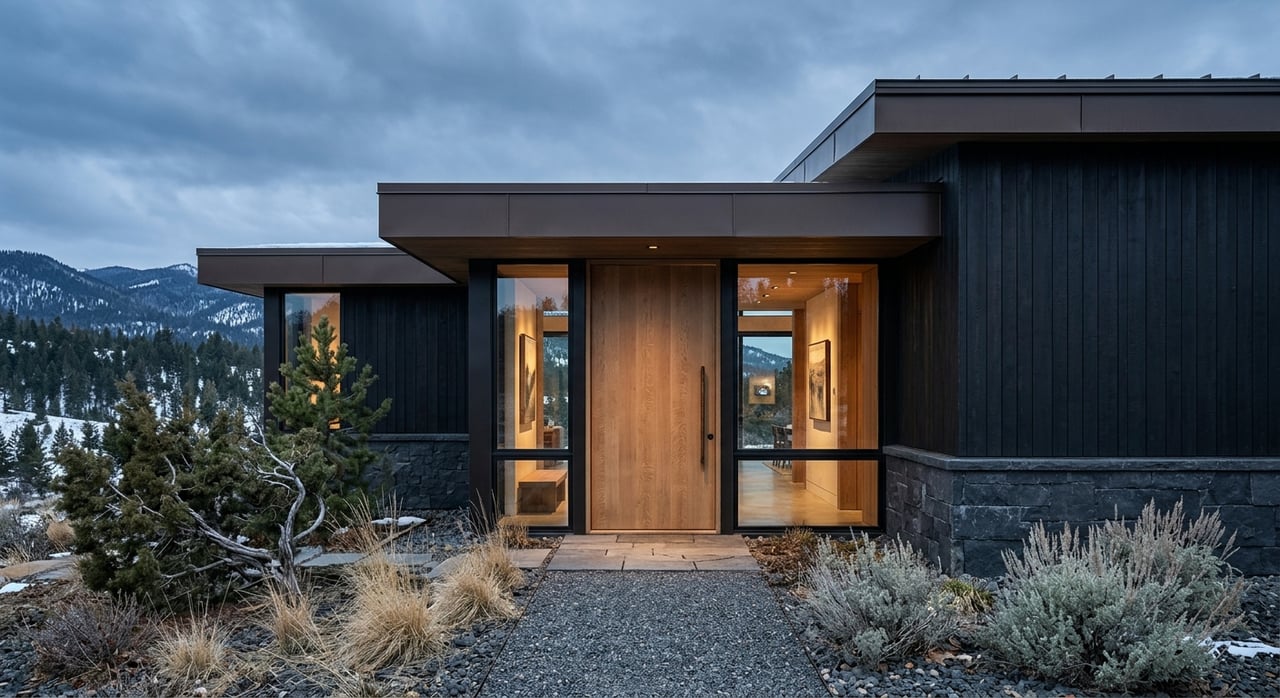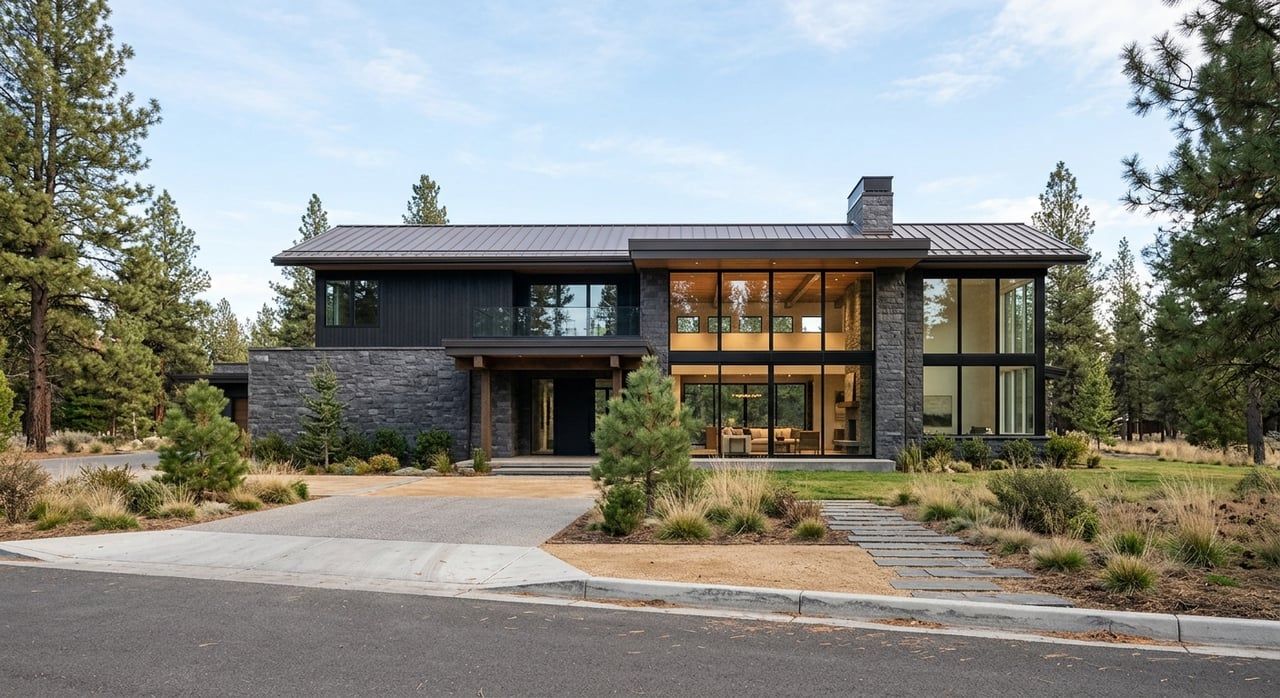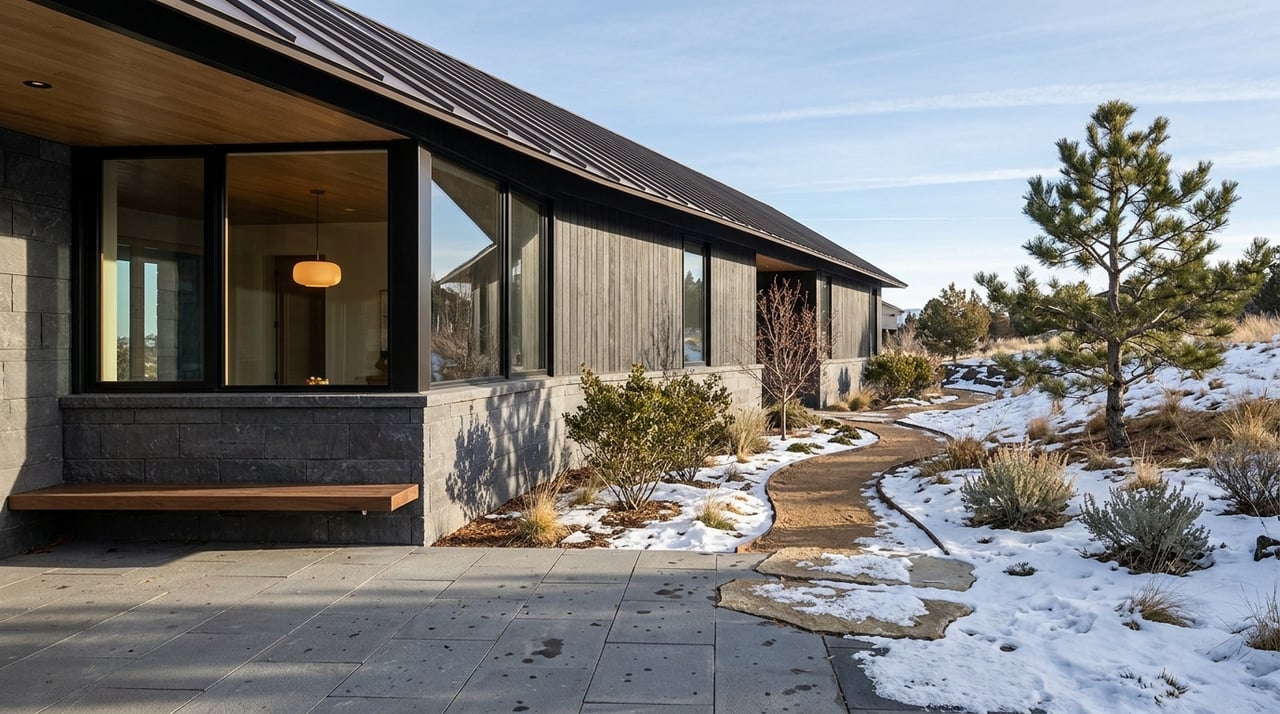
If you are looking for a mountain neighborhood that feels quiet, scenic, and closely tied to the outdoors, Hideout Canyon stands out right away. This is not a dense urban-style community, and that is part of the appeal. You get a setting shaped by open views, access to recreation, and a strong connection to the Jordanelle and Wasatch Back landscape. If you are wondering what day-to-day life here actually feels like, this guide will walk you through it. Let’s dive in.
Hideout Canyon at a Glance
Hideout Canyon is located within the Town of Hideout on the east side of Jordanelle Reservoir. According to the town, Hideout covers about 2,500 acres and has a population of more than 800 residents, which helps explain the area’s low-density feel.
The setting is one of the first things you notice. The Town of Hideout describes the community as defined by views of Deer Valley, the Wasatch Mountains, and the reservoir. In practical terms, that means many homesites and streetscapes feel more open, elevated, and view-oriented than what you would expect in a more traditional subdivision.
A View-Driven Mountain Setting
One of the biggest reasons people are drawn to Hideout Canyon is the sense of space. The area reads as a sparse mountain enclave rather than a tightly packed neighborhood, and that creates a calmer day-to-day atmosphere.
The town also identifies Hideout Canyon as one of the major communities within Hideout. Across these communities, the shared character includes broad views of the Wasatch Back, Deer Valley Resort, and Jordanelle Reservoir, along with a housing mix that ranges from high-end twin and town homes to luxury single-family homes.
For you as a buyer, that means the lifestyle here is shaped less by commercial activity and more by landscape. The scenery is not just a backdrop. It becomes part of your daily routine.
Outdoor Living Shapes Daily Life
Hideout Canyon is closely tied to trails, open space, and year-round recreation. Hideout’s Parks, Open Space and Trail plan emphasizes preserving views, creating an inviting neighborhood atmosphere, and building a connected community.
That plan also shows trail priorities linking Hideout Canyon with Golden Eagle, Shoreline, the SR-248 spine trail, and Jordanelle State Park. The town notes that public sidewalks and private trails already exist within the master HOA boundary, which reinforces the idea of a master-planned neighborhood with outdoor connectivity built into its identity.
If you enjoy getting outside without making it a full-day production, that matters. You are not just living near recreation. You are living in a place that is actively planning around it.
Jordanelle State Park Is Part of the Routine
For many residents, Jordanelle State Park is a major part of the local rhythm. Utah State Parks describes Jordanelle as a reservoir-area park in Wasatch County with three recreation areas: Hailstone, Rock Cliff, and Ross Creek.
The park supports boating, fishing, hiking, camping, and picnicking in warmer months. Rock Cliff includes elevated boardwalks and a 22-mile perimeter trail, while Ross Creek offers access to perimeter trails and loop trails for biking and hiking.
In winter, the recreation mix shifts rather than disappears. Utah State Parks notes snowshoeing, cross-country skiing, wildlife viewing, and ice fishing among the seasonal uses. That gives Hideout Canyon a four-season lifestyle that feels active without feeling rushed.
Life Follows the Seasons
One of the most accurate ways to understand life in Hideout Canyon is through its seasonal rhythm. In warmer weather, your routine is likely to revolve around lake days, trail outings, and time spent outdoors.
When winter arrives, attention naturally turns toward skiing and snow-based recreation. That pattern is supported by the town’s trail planning, the recreation mix at Jordanelle State Park, and the area’s proximity to Deer Valley.
For many buyers, this is a major part of the draw. Instead of one short peak season, the area offers different ways to enjoy the landscape throughout the year.
Easy Access to Deer Valley and Park City
Hideout Canyon works especially well for people who want a quieter residential base with convenient access to resort amenities. Deer Valley describes the Jordanelle area as sitting above the reservoir and directly across from Deer Valley East Village.
It also notes access to the slopes via the nearby Jordanelle Express Gondola and Deer Valley Direct shuttle service. That helps position Hideout Canyon as a residential option for people who want to be near skiing without being in the middle of a busier resort core.
Utah State Parks also describes Jordanelle as only a few miles from Park City and minutes from some of Utah’s best attractions. So while Hideout Canyon itself is not a commercial district, it benefits from being close to Park City’s dining, shopping, and recreation network.
Quiet Residential Feel, Not Urban Convenience
It helps to go into a move here with the right expectations. Hideout Canyon is best understood as a scenic residential neighborhood first, not a walkable town center with everyday retail on every corner.
A 2020 annexation update from Hideout officials noted the town’s interest in nearby grocery, gas, coffee, and other retail options so residents would not have to drive into Park City, Kamas, or Heber for simple needs. That provides a useful clue about daily life: for many errands, you should expect to leave the immediate neighborhood.
For some buyers, that is a tradeoff. For others, it is part of the appeal because the neighborhood experience stays focused on views, space, and recreation rather than traffic and commercial intensity.
Who Hideout Canyon Tends to Appeal To
Hideout Canyon often appeals to buyers who want a mountain setting with a little more breathing room. If you value big reservoir-and-mountain views, access to trails, and proximity to both Park City and Deer Valley, the location checks a lot of boxes.
It can also be a strong fit if you want a home base that feels peaceful on a daily basis. Rather than competing with the energy of a resort center, Hideout Canyon offers a calmer residential experience while keeping the broader Wasatch Back lifestyle within easy reach.
That balance is what makes the area distinctive. You are close to some of the region’s best outdoor and resort amenities, but your home environment can still feel separate, elevated, and grounded in the landscape.
What to Expect From the Housing Experience
The Town of Hideout describes the housing mix across its communities as ranging from high-end twin and town homes to luxury single-family homes. In Hideout Canyon, that generally supports the area’s reputation as a view-focused mountain neighborhood with a range of upscale residential options.
For buyers who are comparing communities around the Jordanelle, the key difference often comes down to feel. Hideout Canyon is less about density and activity clusters, and more about scenery, residential quiet, and connection to open space.
If your goal is to wake up to broad vistas and use Park City, Deer Valley, and Jordanelle as part of your larger lifestyle map, that positioning makes sense. The area functions more like a residential base camp than a stand-alone town center.
Why Buyers Keep Looking Here
At its core, Hideout Canyon offers a combination that is getting harder to find: a low-density neighborhood, major views, and close access to recreation in every season. The Town of Hideout’s planning documents reinforce that this identity is not accidental. It is built around preserving views, improving connectivity, and shaping a cohesive mountain community.
That gives the area a clear sense of place. You are not just buying into square footage or a street address. You are buying into a setting where open space, trail access, and reservoir-and-mountain scenery shape the experience of living there.
If that sounds like the lifestyle you want, Hideout Canyon is worth a closer look. And if you want help exploring view-driven opportunities in Hideout, including custom homesites and luxury homes nearby, Carlos Bocanegra can help you schedule a personal tour.
FAQs
What is Hideout Canyon like compared with a typical subdivision in Hideout, Utah?
- Hideout Canyon feels more like a low-density, view-oriented mountain neighborhood than a conventional dense subdivision, with broad vistas, open space planning, and trail connectivity shaping the overall experience.
What outdoor recreation is near Hideout Canyon in Wasatch County?
- Nearby recreation includes boating, fishing, hiking, biking, camping, picnicking, snowshoeing, cross-country skiing, wildlife viewing, and ice fishing, largely centered around Jordanelle State Park and the broader Park City trail network.
How close is Hideout Canyon to Deer Valley and Park City?
- Hideout Canyon is positioned as a quiet residential base with quick access to the Jordanelle area, Deer Valley East Village, and Park City, making it convenient for skiing, trails, dining, and shopping.
Are there trails connected to Hideout Canyon?
- Yes, Hideout’s planning documents identify trail connections linking Hideout Canyon with Golden Eagle, Shoreline, the SR-248 spine trail, and Jordanelle State Park, and they note existing public sidewalks and private trails within the master HOA boundary.
What kind of daily lifestyle should you expect in Hideout Canyon?
- Daily life in Hideout Canyon tends to feel scenic and residential, with outdoor recreation and seasonal activities playing a major role, while many everyday errands are typically handled outside the immediate neighborhood.
What types of homes are found around Hideout Canyon?
- The Town of Hideout describes the broader community housing mix as including high-end twin and town homes along with luxury single-family homes, all within a setting known for views of the reservoir, Deer Valley, and the Wasatch Mountains.